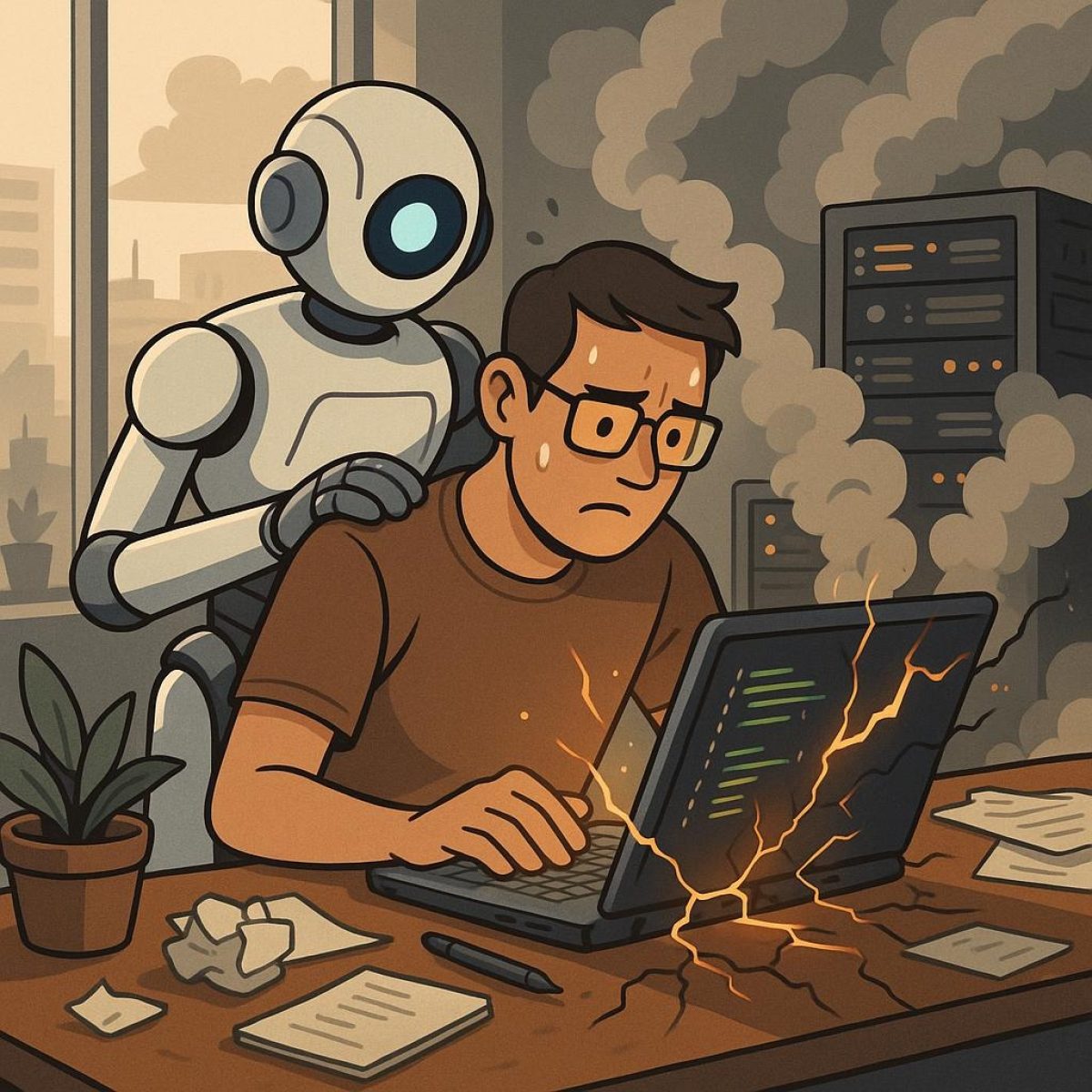
TechCrunch reported that Cognition co-founder Scott Wu said AI coding agents like the company’s Devin are meant to augment human developers, not replace them. The comment comes as Cognition’s agent sees growing adoption and as enterprises weigh productivity gains against staff, security and accountability concerns.
The real issue
What changed: Cognition’s Devin has emerged as a high-profile AI coding agent and the company is publicly pushing a human-first message. Wu’s statement is a defensive posture as customers test agents on real codebases and vendors try to calm fears about layoffs and risky, unreviewed automation.
Why this matters operationally: teams will now have to treat agents as another tool in the stack – one that speeds certain tasks but also creates new dependencies and review work. Product managers and engineering leads should see agents as a change in workflow, not a plug-and-play replacement for experienced engineers. For teams evaluating tools, Arti-Trends recommends starting with limited pilot projects and clear test metrics available in the AI tools hub to measure what Devin actually delivers on defect rates and cycle time.
Why this matters now
This moment is an inflection: demonstrable agent productivity is colliding with heightened job-displacement anxiety, buyer scrutiny and potential policy attention. Vendors that promise full automation risk backlash from customers and regulators if deployments produce outages, security gaps, or unexplained code defects.
There’s a market consequence too. As enterprises demand measurable ROI and reliable risk controls, competition will shift from headline capabilities to reproducible metrics and sensible pricing. That pressure is visible in public markets and corporate buying behavior; That also connects to how market attention affects AI vendors see the AI stocks hub.
What to watch next
One clear signal will separate cautious adoption from risky overreach: if early adopters publish measurable, third-party-verified improvements in delivery without rising defect or security incidents, agents will earn a place in steady human+agent workflows. If not, buyer pushback and tighter contractual controls will follow.