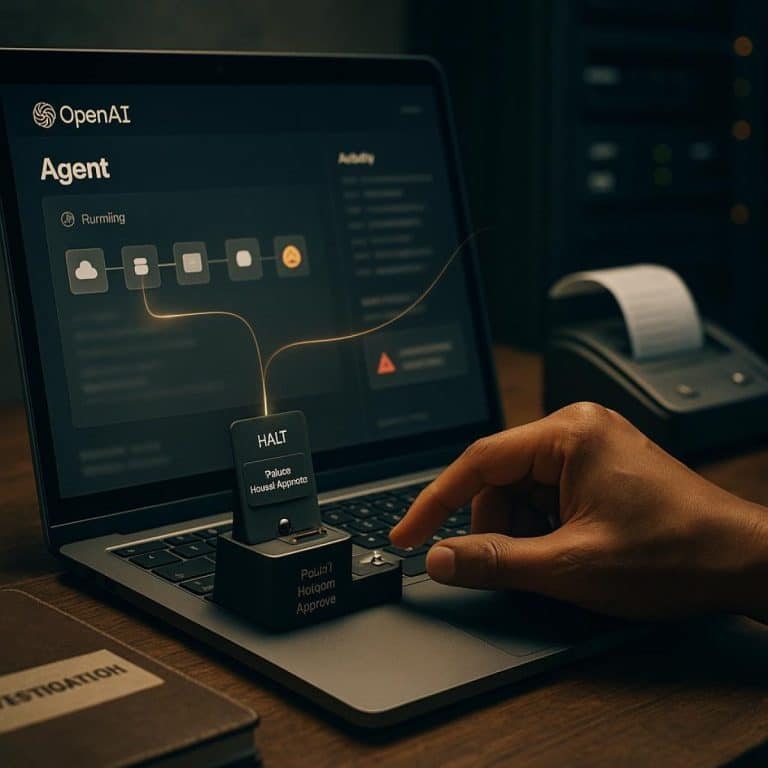
Public libraries around the country are running viral “Avoiding AI” workshops that attract large, often surprised, audiences. The trend is a clear signal: everyday users want community-led, practical ways to avoid or limit Big Tech AI tools rather than debate abstract policy.
The real issue
The core interpretation is not that people hate AI as a concept, but that attention is shifting toward durable alternatives and daily workflows that avoid centralized surveillance. Libraries are trusted civic spaces; when they teach simple steps-how to limit tracking, use privacy-first search, or choose non-surveillance assistants-those lessons can stick in users’ routines.
That shift forces a practical question for AI products: can interest convert into long-term use and paying customers, or will these workshops remain a one-off protest? The market will reward companies that translate privacy preferences into easy, habit-forming tools rather than marketing claims alone.
Why this matters now
Two forces converged to create the moment. Years of background data collection by major platforms, a string of high-profile model failures, and growing consumer fatigue with intrusive personalization have produced an appetite for clear, local options. Public libraries can meet that demand cheaply and credibly, which lowers the friction for adoption of privacy-first tools.
Practically, this means two near-term changes to watch for: first, a sharper product test for vendors-offer straightforward opt-outs, and local librarians will try them; second, renewed relevance for civic institutions that can deliver digital-literacy training. For nontechnical readers wanting context on AI basics, Arti-Trends has a primer: What Is Artificial Intelligence? The Ultimate Guide (2026). If you want immediate, hands-on steps libraries show users, see this guide: How to turn off AI in your Google Docs – and why it matters.
What to watch next
Watch those signals-if workshops convert into regular library offerings and local procurement choices, this trend will have real economic consequences for AI vendors and a practical path for people seeking less surveillance. The clearest next signal will be whether attendance turns into repeat usage of privacy-first tools.