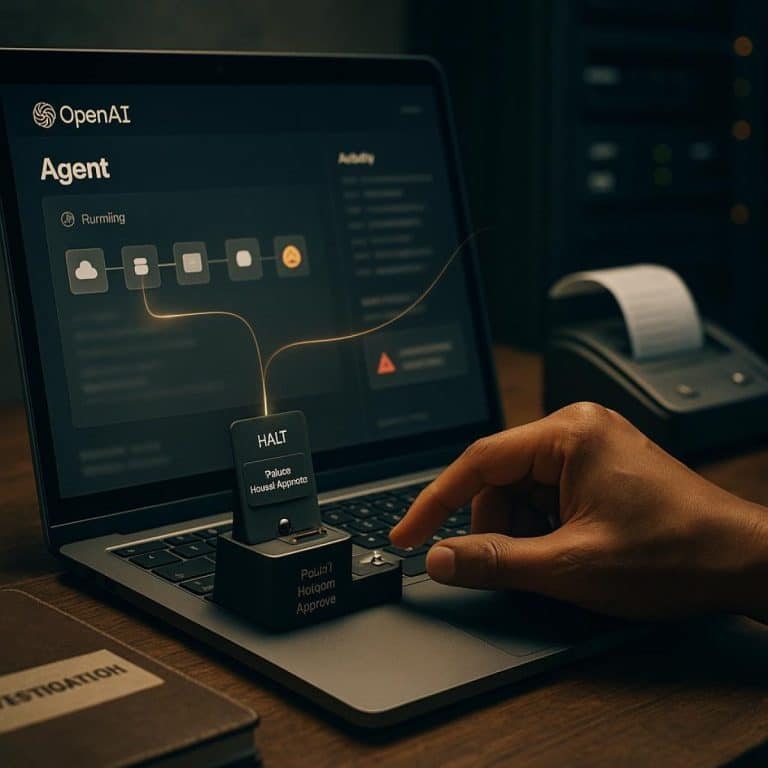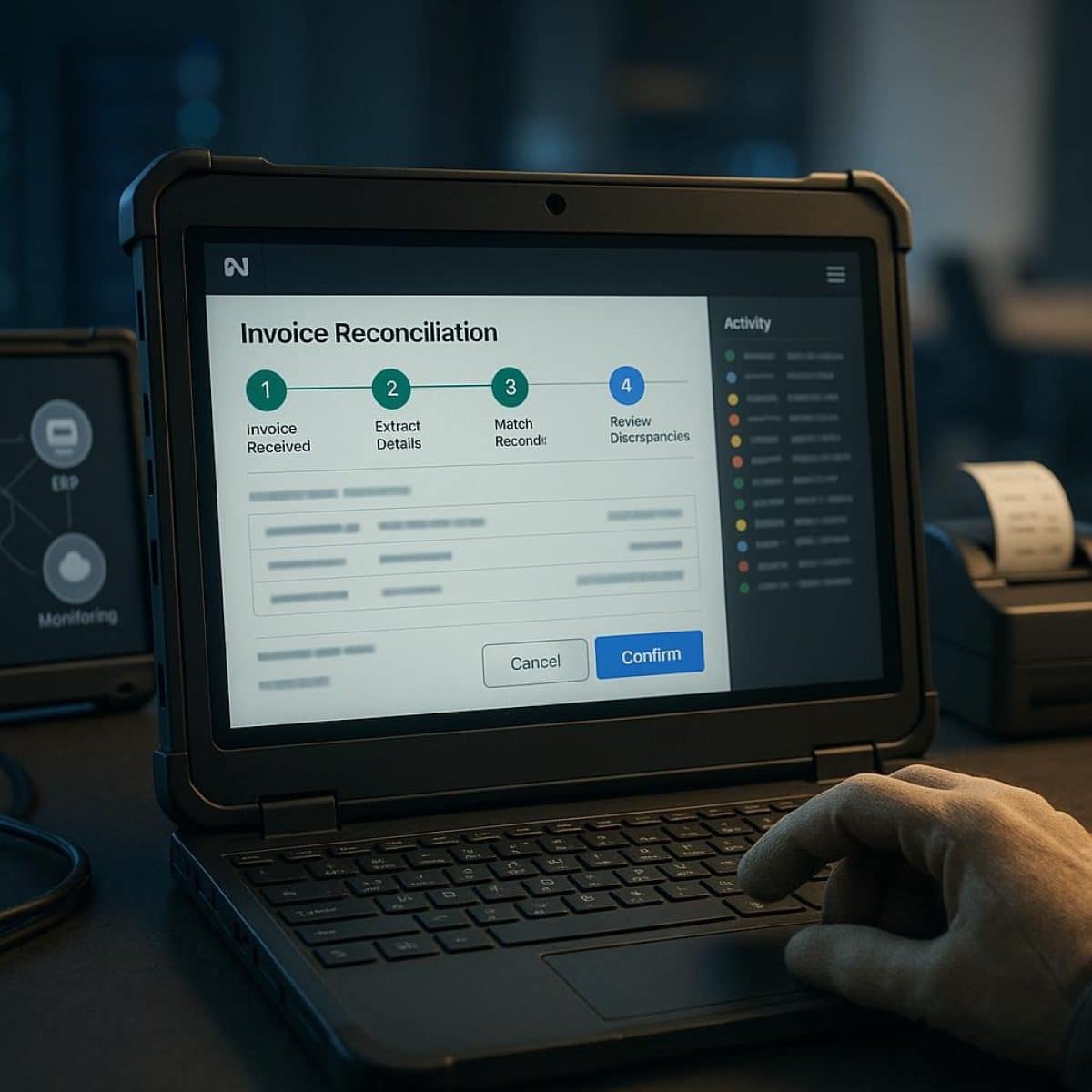
Nexus, a startup building autonomous AI agents for business workflows, closed a $4.3 million seed round to accelerate putting agent automation into everyday operations. The raise is less about model research and more about packaging agents as operational tools that connect to CRMs, ERPs and monitoring systems.
The real issue
The funding headline matters because it highlights where investor attention – and therefore startup energy – is moving: from building new language models to stitching existing models into business work. That shift changes the core product problem. Buyers no longer just want better text generation; they want agents that reliably perform a task end-to-end, report what they did, and fit existing processes.
That is a different engineering challenge. It bundles model access with connectors, retry logic, cost controls, and audit trails. It also creates a new commercial pitch: sell measurable cycle-time, headcount, or error-rate improvements instead of model accuracy. For teams evaluating automation, the question becomes whether the vendor can prove savings on a payback timeline – not whether the agent can pass a research benchmark.
Practically, this is a value-shift within broader Enterprise AI decision-making. It favors startups that can deliver pre-built integrations and operational controls over single-feature tools that rely on customers to assemble the rest.
Why this matters now
Three grounded forces make this moment actionable: lower model latency and cost-per-query, clearer agent frameworks for orchestration, and enterprise pressure to cut operating costs after years of pilot projects. Together they reduce the technical and economic friction for deploying agents into real work.
Two practical implications follow for the dominant editorial question – can AI usage prove its value before budgets tighten?
- Teams must measure outcome, not usage. Proof of value will come from tied metrics (time saved, reduced manual errors, faster approvals), so procurement and product teams should demand deployment pilots with clear ROI gates.
- Vendors that sell only point features risk commoditization. Buyers will prefer platforms with ready connectors, observability, and simple guardrails; suppliers that can’t package those will face pricing pressure.
What to watch next
One clear market test is imminent: capital is flowing into operator-facing agent platforms. The next signal will be whether those platforms can turn pilots into measurable savings before buyer budgets tighten.
For the most relevant practical background on this topic, see AI Tools.