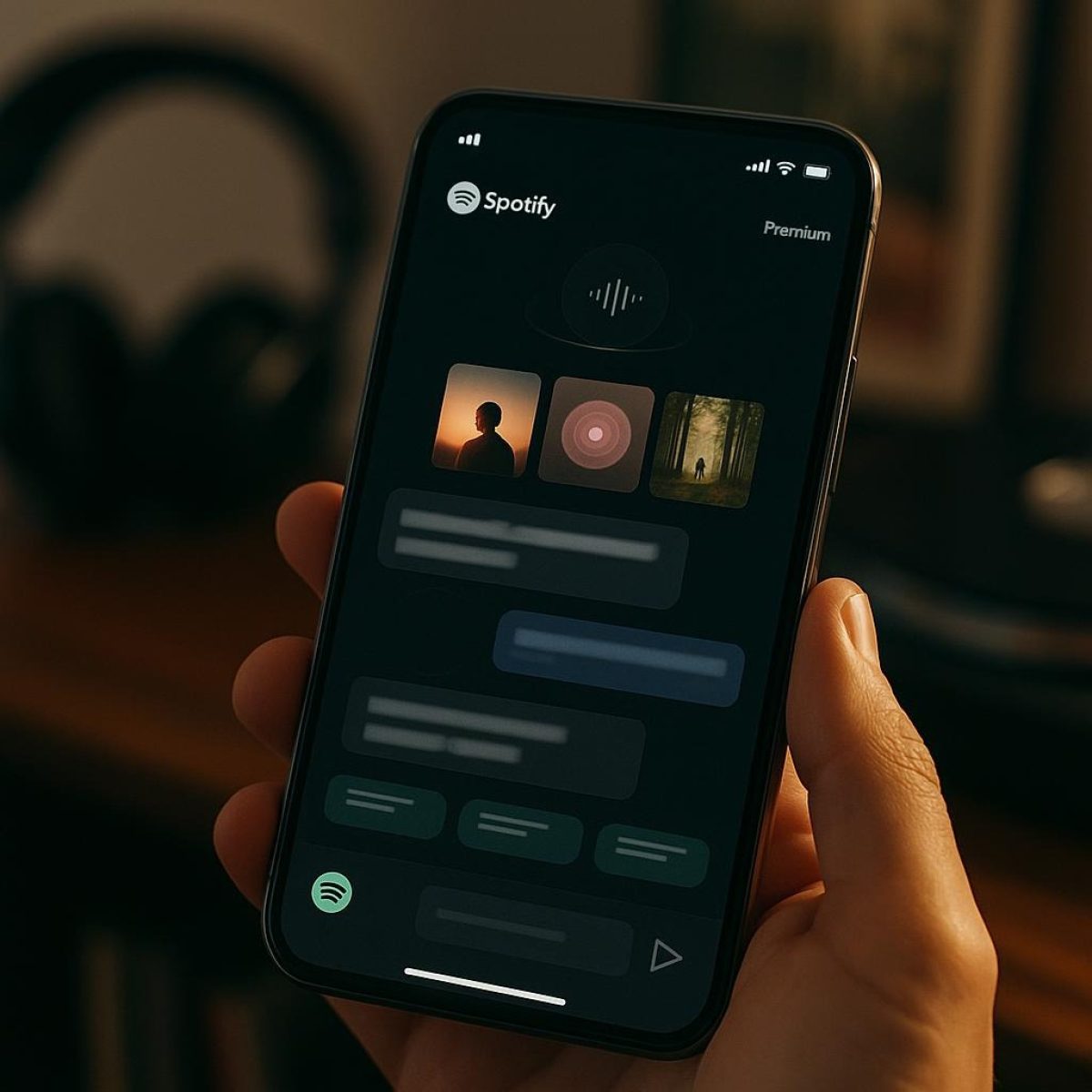
Spotify is rolling out a ChatGPT-like conversational assistant that lets Premium users talk to the app to find music, podcasts and audiobooks, according to TechCrunch AI. The change moves discovery from passive playlists and algorithmic feeds into an interactive chat flow embedded in the product.
The real issue
This is less about a flashy feature and more about who controls the task users open the app to complete. If Spotify successfully turns discovery into a conversational workflow, it owns the moment a listener asks for something – what to play next, which podcast fits their mood, or which audiobook matches a commute.
Owning that workflow matters because it changes where value accrues. A smooth conversational flow increases time spent, and that can raise retention and premium conversion without changing core catalog deals. It also squeezes adjacent assistants and search routes: instead of asking ChatGPT or a voice assistant to recommend a song, a user may default to the Spotify chat first. That competition angle matters for general-purpose models such as ChatGPT and for platform voice assistants built into phones and speakers.
Embedding conversational discovery also affects creators and rights holders. When discovery is driven by conversation, the mapping from user intent to which track plays can become more opaque, placing new pressure on labels and artists to understand how generative prompts surface their work. For privacy and data use, conversational flows collect fine-grained intent signals – what a user asked for, follow-up clarifications, and corrections – which will be valuable for personalization and ad targeting but raises questions about how Spotify stores and shares that data.
For readers who want context on LLM developments that feed this move, see AI Tools for background on conversational model deployment and scale.
Why this matters now
Two practical implications matter for most readers. First, for listeners and product teams: the interface you use to find audio is shifting from menus and curated lists to a chat-first routine. If you can turn that into a faster, repeatable workflow, you benefit from time savings and better discovery. Second, for creators and labels: the pattern of discovery could change how plays are earned and tracked, so monitoring how conversational prompts route to tracks will matter for promotion strategies and licensing conversations.
Spotify’s timing fits broader trends: conversational interfaces are now efficient to run at scale, users expect chat helpers, and streaming platforms need new levers to grow engagement and Premium revenue. That mix makes this rollout a realistic test, not just a demo.
What to watch next
Watch these three signals – they will tell you whether Spotify owns a new discovery workflow or just ships another feature. (Reporting based on TechCrunch AI.)
For the most relevant practical background on this topic, see AI Tools.