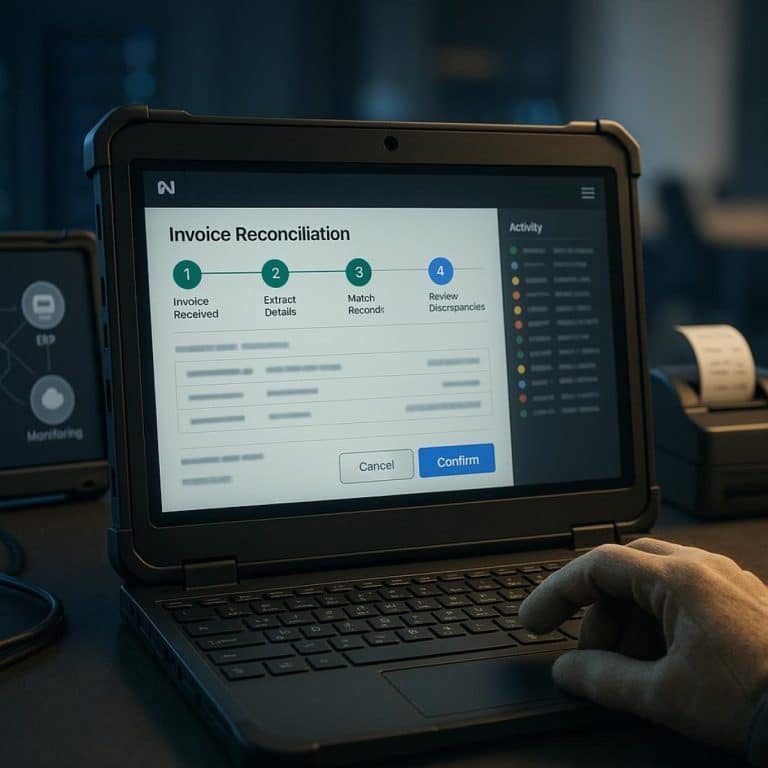
Hugging Face hosted a hackathon where five independent teams combined small, open models into a multi-model finance simulation. Together they built a prototype pipeline that assigns narrow tasks-price simulation, rule checks, narrative generation and scenario summaries-and passes structured outputs between models. The core signal: you can prototype regulated, domain-specific workflows quickly without a single giant LLM.
The real issue
This is more than a clever demo. It tests whether teams can move from single-model experiments to end-to-end workflows that are cheaper to run and easier to inspect.
The participating labs showed a practical pattern: break a finance workflow into small, well-defined steps, run each step with a compact model, and log the outputs at every handoff. That makes it straightforward to rerun tests, trace how a result was produced, and find where errors appear.
For finance teams and auditors, those are not abstract benefits. Regulators and internal risk units often ask for evidence of how a system made a decision. Small models with clear inputs and outputs let teams collect that evidence without shipping everything to a closed API.
Why this matters now
Two trends make this approach meaningful today. Compute and latency needs are dropping, so smaller models can run in production-like settings. And open-model tooling and datasets are easier to use than before, lowering the time it takes to assemble multi-model pipelines.
- Practical implication for builders: Shift the measurement from raw model size to measurable costs and controls-cost per query, verification time, and how much of the workflow you can audit.
- Tooling consequence: Expect more work on model-to-model routing, verification hooks, and reproducible logs. Teams will value simple ways to capture intermediate outputs and proof trails that an auditor can review.
What to watch next
Signal to follow: if buyers and cloud teams start treating infrastructure choices-chip type, capacity planning, and power strategy-as central to model performance, the industry will shift from size-for-size’s-sake to building systems that are cheaper, more inspectable, and easier to test.