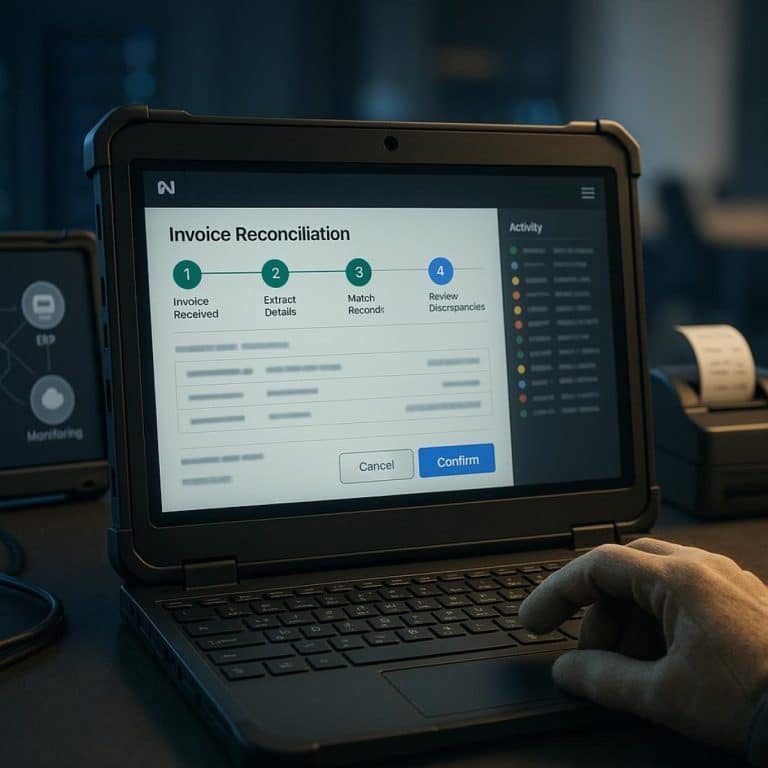
SpaceX is buying Cursor for $60 billion, according to The Verge AI. The deal, announced days after Cursor’s IPO, signals a rapid push to combine a leading large language model company with SpaceX’s global network and hardware – Starlink, launches and edge-capable systems.
The size and speed of the move matter because it shifts competition from cloud-first model development to platforms that own both models and the network that delivers them.
The real issue
This is not primarily a product story. The core test is financial: can combining Cursor’s LLM tech with SpaceX’s network and launch hardware turn AI usage into measurable revenue and margin? The acquisition forces enterprise buyers to decide whether they prefer narrowly focused model vendors or bundled providers that promise lower latency and integrated billing.
Owning network capacity and edge hardware changes how customers buy AI: pricing can include data transport and specialized hardware access, not just model compute. That blurs the line between selling software and selling infrastructure for real business workflows tied to latency, uptime and specialized connectivity – the working definition of commercial value here.
Arti-Trends read: The transaction turns an AI technical advantage into a go-to-market experiment – and the market will reward measurable revenue or walk away.
Why this matters now
The immediate takeaway: teams must connect AI usage to measurable business outcomes faster. If SpaceX can demonstrate enterprise customers paying for integrated model-plus-network services, capital will flow to platform providers and away from point-model specialists.
Two practical implications follow. First, buyers and procurement teams should demand clear pilot metrics tied to revenue, cost savings or latency-sensitive SLAs before signing multi-year deals. Second, cloud vendors and partners face pressure: expect strategic responses from hyperscalers and enterprise software firms aiming to defend large accounts – including pricing plays and tighter integrations with existing stacks like Microsoft.
What to watch next
- Integration timeline and product roadmap – how quickly Cursor features appear inside Starlink or edge services, and whether pricing bundles network access with model usage.
- Regulatory scrutiny and contract notices – any antitrust filings or major enterprise customer pushback over exclusivity or vendor lock-in.
- Technical benchmarks and pilots – measurable latency, throughput and cost-per-inference published by SpaceX or third-party auditors; also watch key hires or departures at Cursor that indicate cultural fit.