OpenAI has reportedly reassigned co-founder Greg Brockman to lead product strategy as the company explores combining ChatGPT and Codex into a single integrated assistant. The change, first reported by TechCrunch AI on May 16, 2026, matters because it reframes OpenAI from a rapid model-release shop toward a product- and platform-led operation focused on unified conversational-plus-coding workflows-precisely the shape enterprise buyers and engineering teams are starting to demand.
What happened
TechCrunch AI reported that Greg Brockman, an OpenAI co-founder and former president, has been given a more operational, hands-on role in product strategy. The piece describes the reassignment as tied to a broader internal push to consolidate customer-facing products, with specific mention of a rumored effort to bring ChatGPT-style conversational interfaces and Codex-style code-generation tools under a single assistant offering.
Two facts are clear from the reporting: the personnel move is real enough to be visible externally, and the consolidation of product lines is being discussed internally. Details such as a formal roadmap, timelines, new legal or pricing frameworks, or exact product names were not published and remain unconfirmed by OpenAI at the time of writing.
What changed: Greg Brockman’s new product remit
At a product level this is a behavioral shift inside OpenAI. Previously the company ran multiple public-facing products and APIs in parallel-ChatGPT for broad conversational AI and Codex for code generation-while product and model teams often moved at the pace of research output. Repositioning Greg Brockman toward product strategy signals a centralization: a single senior leader tasked with aligning product roadmaps, monetization, enterprise agreements, and developer workflows.
Centralizing product strategy under a co-founder reduces cross-team fragmentation and raises the probability of unified releases, integrated SLAs, and coordinated pricing. It also changes internal incentives: product tradeoffs are now more likely to be resolved by a single strategic agenda rather than a patchwork of research-driven launches.
Business implications
For enterprise buyers and developer teams, consolidation is a pragmatic win if executed well. A single assistant that handles conversational queries and code tasks simplifies procurement, reduces integration overhead, and makes contractual SLAs and support easier to negotiate. Enterprises that have been piloting separate ChatGPT and code-assistant projects gain a clearer upgrade path and potentially stronger vendor stickiness.
- Who benefits: engineering and product teams that want one assistant for debugging, code generation, documentation Q&A and conversational context; procurement and cloud teams that prefer consolidated contracts and SLAs; and OpenAI if consolidation increases retention and monetization.
- Who is at risk: niche code-assistant vendors and tooling providers that compete on a narrow Codex-style feature set; partners and integrators who rely on disparate API contracts; and enterprise customers exposed to sudden API, pricing or governance shifts during consolidation.
Strategically, this also tightens platform economics. A single integrated assistant increases the surface area OpenAI controls-usage patterns, billing cadence and feature packaging-and that control is leverage in negotiations with cloud partners and large customers. For investors and market watchers, consolidation reduces product-level fragmentation and creates clearer growth and monetization levers; for deeper context on platform economics, see the AI investment hub.
Technology and workflow implications
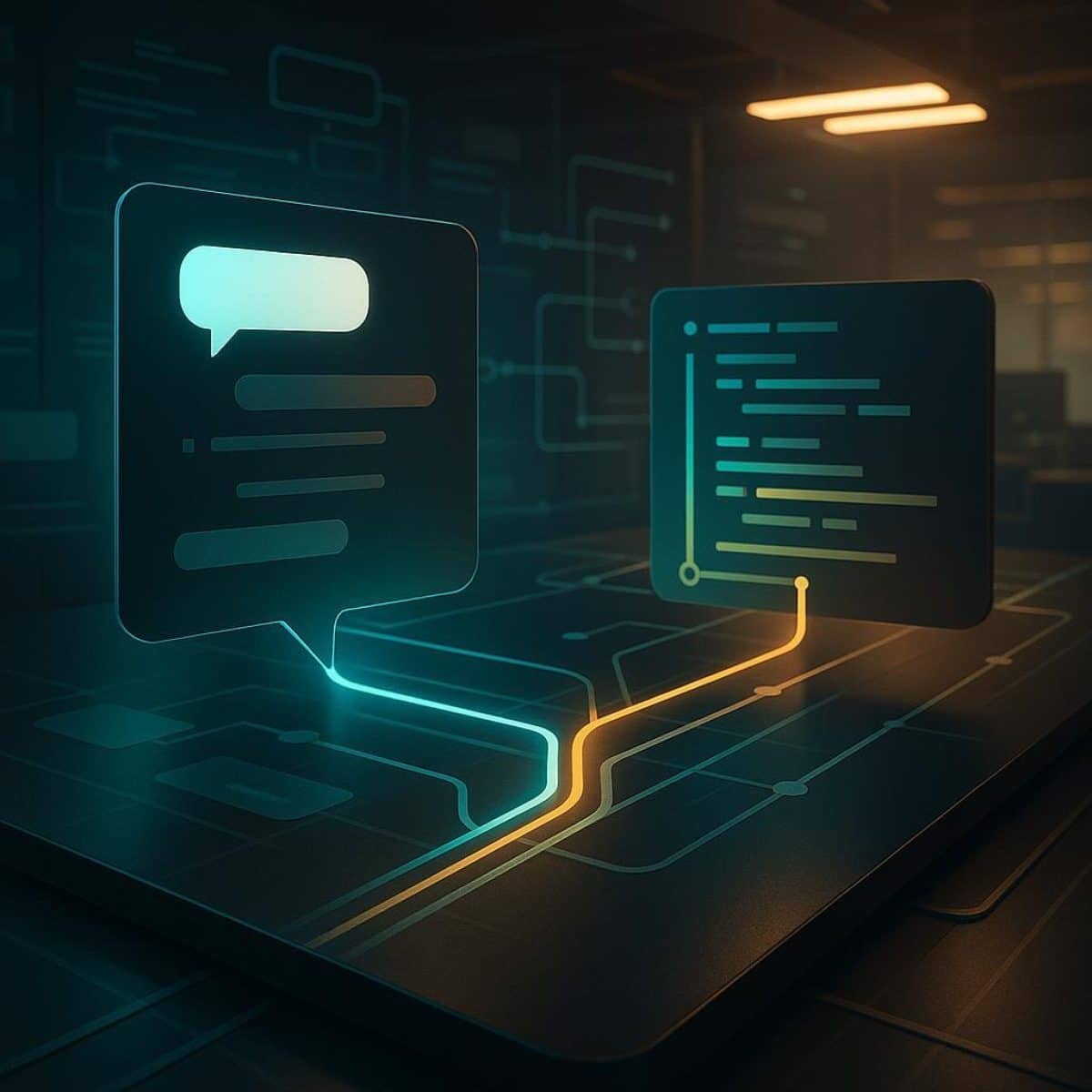
Technically, combining chat and code assistants is non-trivial. It requires coherent prompt engineering, conversation state management that preserves coding context, and careful model-selection or routing logic so that the assistant can switch between conversational intent and code-generation safely and predictably. A product-first approach implies OpenAI will invest in orchestration layers that sit above raw models-session managers, role-based connectors, and deterministic affordances for testing and safety.
For developer teams, the practical consequence is a potential migration from using multiple specialized APIs to a single, higher-level assistant API and SDK. That changes integration work: SDK upgrades, new auth patterns, and potential refactors to exploit extended assistant capabilities. Teams should start mapping current integrations and testbeds to evaluate migration risk and benefits. Our AI tools hub has practical checklists for preparing toolchains and CI pipelines for assistant-driven workflows.
Arti-Trends read: This move signals a market transition. Vendors that still treat models and products as separate bets will lose leverage to platform owners who can bundle capabilities and control monetization.
Arti-Trends view
Viewed strategically, Greg Brockman’s reassignment is a credible signal that OpenAI sees product consolidation as the next phase of value capture. The company has spent years proving models and demonstrating developer demand; the natural next step is package, SLA, and platform-level productization. Centralizing product strategy under a high-profile founder shortens internal decision cycles and raises the odds of coordinated product launches that materially change customer behavior.
That matters because enterprises reward integration and predictability. The shift from model-first experimentation to product-first deployment reframes competition: the race is no longer just about the next model release, but about who can deliver consistent, enterprise-grade assistant experiences that are easy to buy, integrate and govern.
What to watch next
Editorial judgment: Treat this as a credible tactical signal, not merely headline noise. Organizations that rely on fragmented assistant tooling should run a quick inventory of dependencies, contractual exposures, and migration costs now. Vendors that compete on narrow code-only functionality should evaluate differentiation and partnership strategies before a consolidated OpenAI assistant becomes the default integration point.
Source: TechCrunch AI, May 16, 2026. This article is an independent analysis by Arti-Trends and does not report any internal confidential details beyond the TechCrunch account; we have not added or claimed proprietary knowledge beyond the source report.