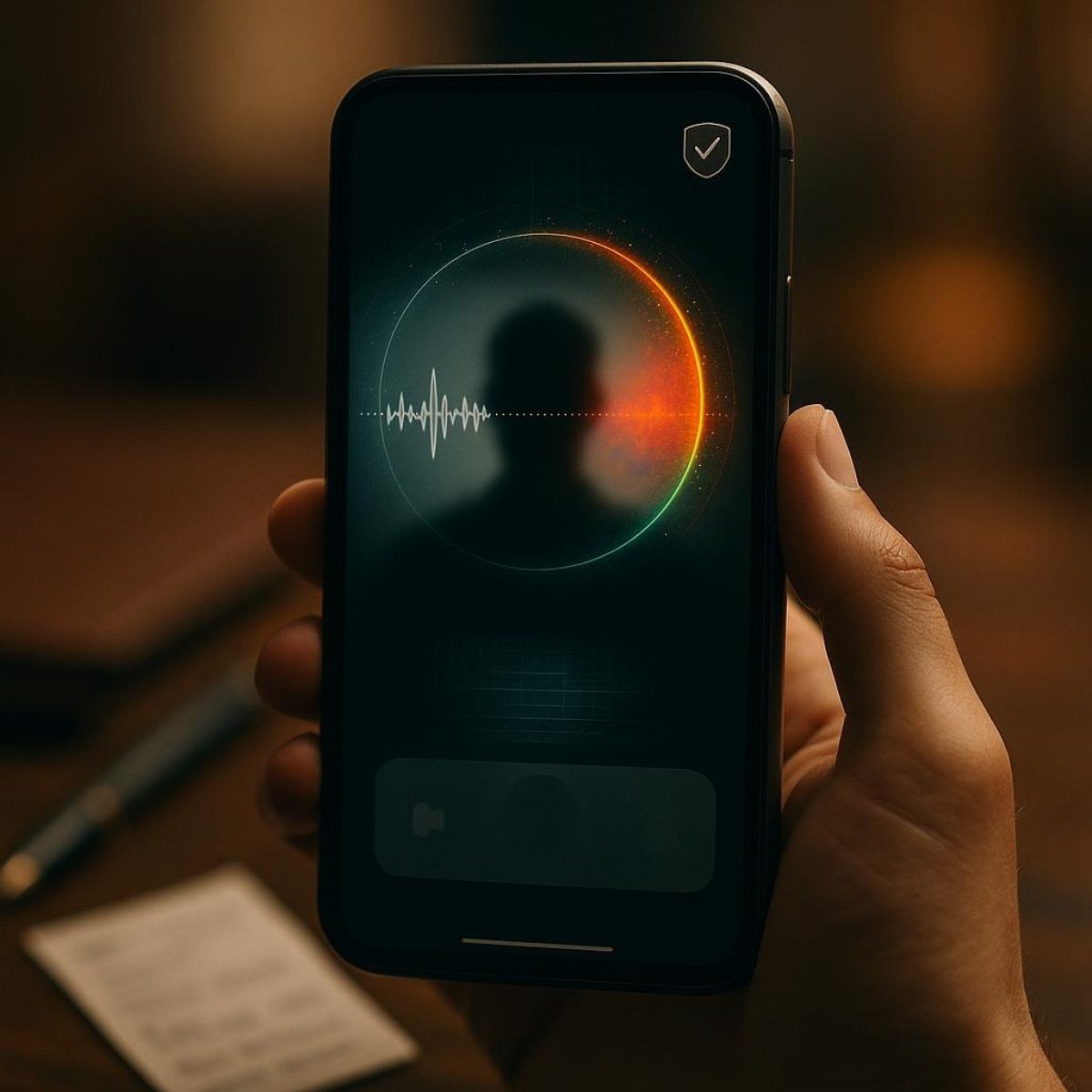
Savi announced a $7 million seed raise and released iPhone and Android apps on Tuesday aimed at helping consumers verify suspicious calls and videos in real time.
Beyond a single startup update, the story is a market signal: investors are backing consumer-facing “last-mile” authenticity tools that push immediate scam detection onto individuals’ phones instead of relying solely on platforms or law enforcement.
The real issue
The key shift is where responsibility lands. Savi’s funding and mobile launch underscore investor conviction that there’s a commercially viable space for apps that help people check whether a caller or clip is synthetic – and that consumers will tolerate tools that scan or analyse media on their devices to get that answer fast.
That model trades platform or police-led detection for speed. The upside: on-device checks can reach victims at the moment they need verification. The downside: the approach creates new privacy and liability questions. If an app analyses incoming audio or a received video to flag likely synthetic content, users must grant broader access to calls, messages, or files – which raises both data-protection and misuse concerns.
There is also legal gray area. If Savi flags a real call as synthetic, or misses a convincing deepfake, who bears responsibility – the app maker, the phone platform, or the user who acted? Those are practical questions investors and early customers will judge quickly as adoption grows.
For readers comparing solutions, Savi’s launch adds a new consumer option to the market. That context is why tools lists and comparison hubs will matter as shoppers evaluate trade-offs between privacy, accuracy, and ease of use.
Why this matters now
This is about capital allocation as much as product: the seed round and immediate mobile release show investors expect real business value – or at least enough consumer demand – before platforms build stronger native defenses or regulators tighten rules.
Two practical implications follow. First, investors should watch whether Savi and peers can convert downloads into reliable revenue (subscriptions, partnerships, or carrier deals) instead of just narrative-driven funding. Second, product teams and privacy officers must decide how much on-device access they can ask for without scaring users away or inviting regulatory scrutiny.
For product teams weighing integrations and distribution, basic market choices will matter: whether to pursue direct app-store distribution, carrier partnerships, or tight phone-OS integrations. Each route changes cost, speed of rollout, and the privacy trade-offs customers will accept.
Tools will behave differently depending on those distribution choices, so the channel Savi picks matters as much as the detection accuracy.
What to watch next
Watch those signals; they will tell whether Savi represents a lasting market for consumer-first anti-deepfake tools – or a momentary funding bet on narrative-before-revenue.