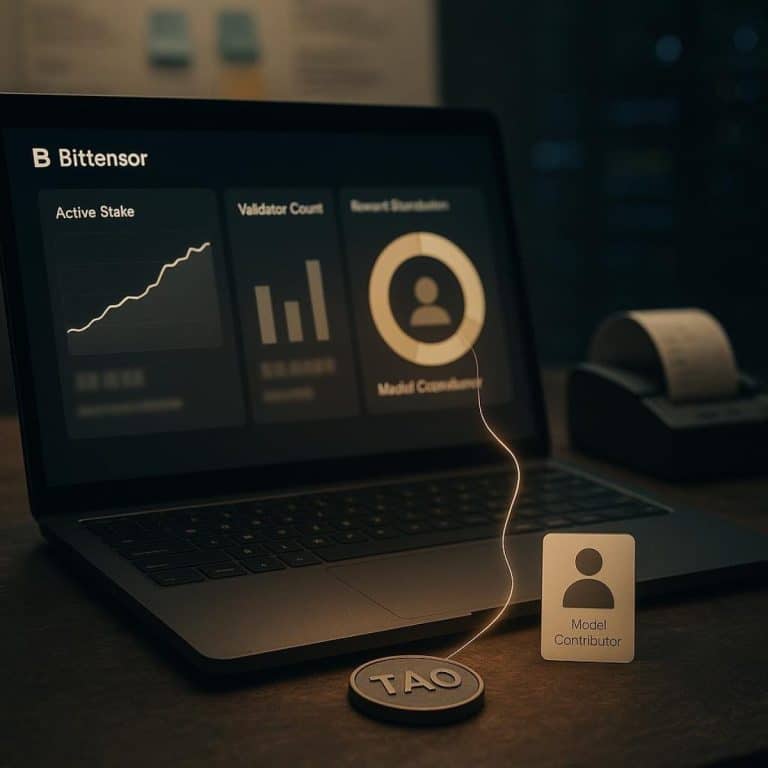
Major exchanges are building futures and other derivatives tied to AI tokens, TechCrunch AI reported. The change treats these tokens less like collectibles and more like a tradable input – similar to electricity or bandwidth – that firms can hedge or speculate on. That shift invites bigger pools of capital but can also amplify price swings for token holders.
The real issue
What’s actually happening is product engineering at exchanges: teams are designing standard contracts, clearing rules and margin systems that let traders take future exposure to AI-token prices without touching spot markets. Market makers and exchanges are working on contract specs and index formulas to support that.
The practical effect is a reframing of AI tokens. Instead of being purely protocol tokens for governance or access, they start to look like an input for AI operations. That makes prices more visible and tradeable, which helps teams that budget for compute or other token-priced services.
For readers tracking how tools and assistants are evolving, this matters because tokenized inputs change how costs are forecasted and managed. If you want background on tokenized inputs and AI tools, see the AI tools hub.
Why this matters now
There are two simple reasons this is timely. First, standardized derivatives lower friction for big traders. Hedge funds, prop desks and exchanges can step in to provide liquidity, which often narrows spreads and makes pricing clearer.
derivatives bring leverage and faster price moves. When margining and futures arrive, positions can be forced to unwind, and that can spike volatility. Retail holders of thinly traded tokens are especially at risk from sudden moves.
Clearer token prices can help cloud and chip buyers plan capacity and costs. But they also separate market prices from how a token’s protocol actually functions. That decoupling can change how token projects operate and how participants respond to price swings.
What to watch next
Pay close attention to the first product documents and clearing announcements. They will reveal whether AI tokens are being priced as operational inputs that help teams manage costs, or whether they are just another asset that invites a fresh layer of speculation.